Glint Solar Project API: Sync Solar Project Data Across Systems
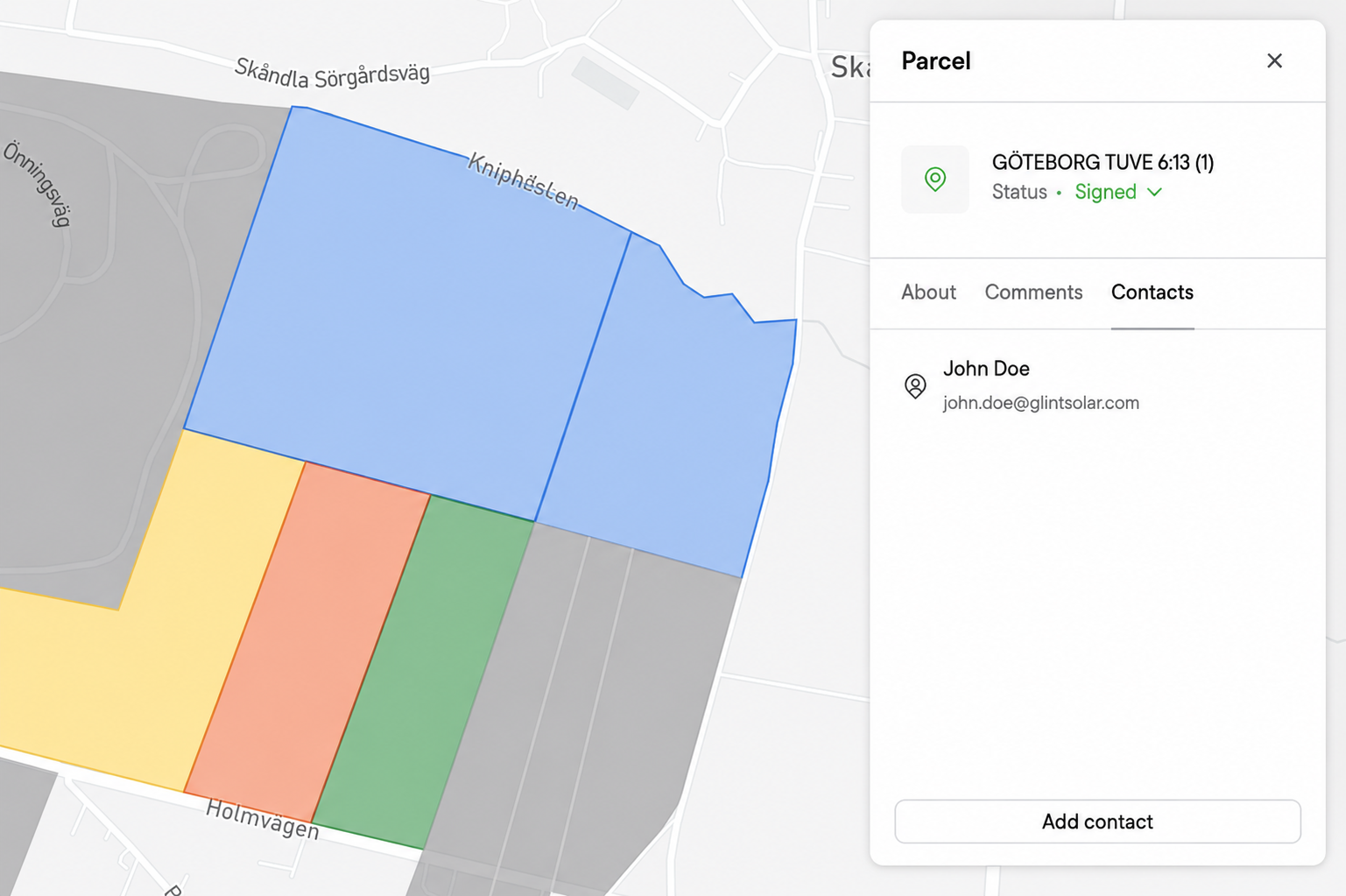
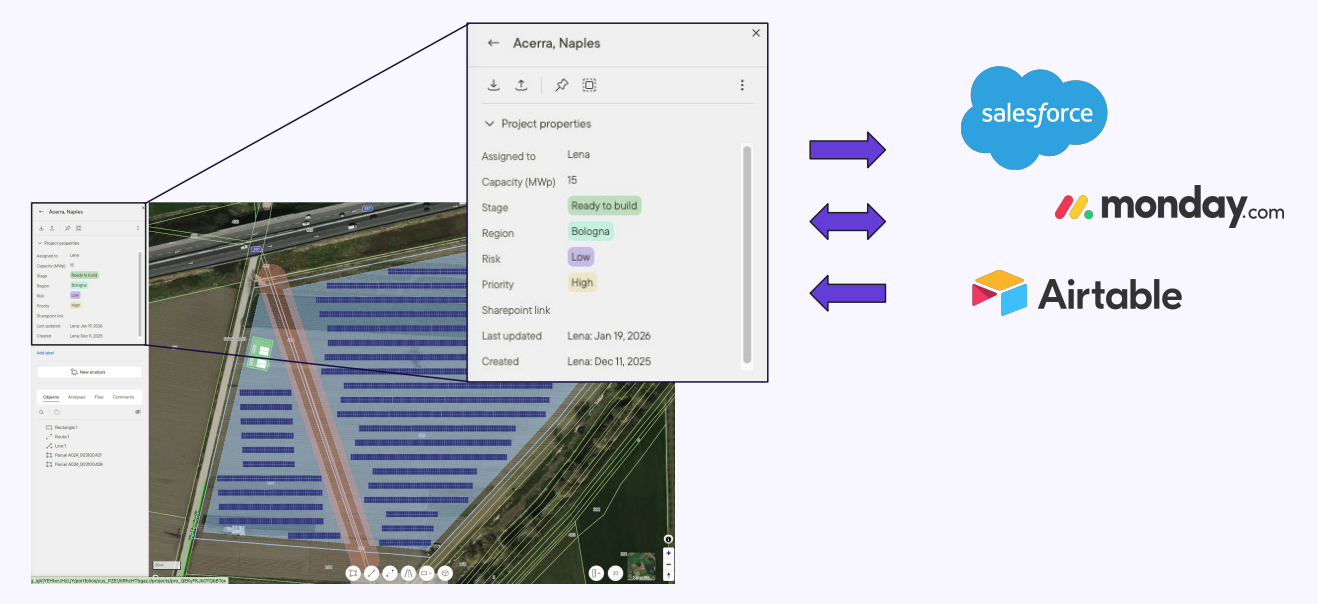
As renewable portfolios scale, one problem shows up fast: project data starts living everywhere. To fix this, we're excited to announce Project API!
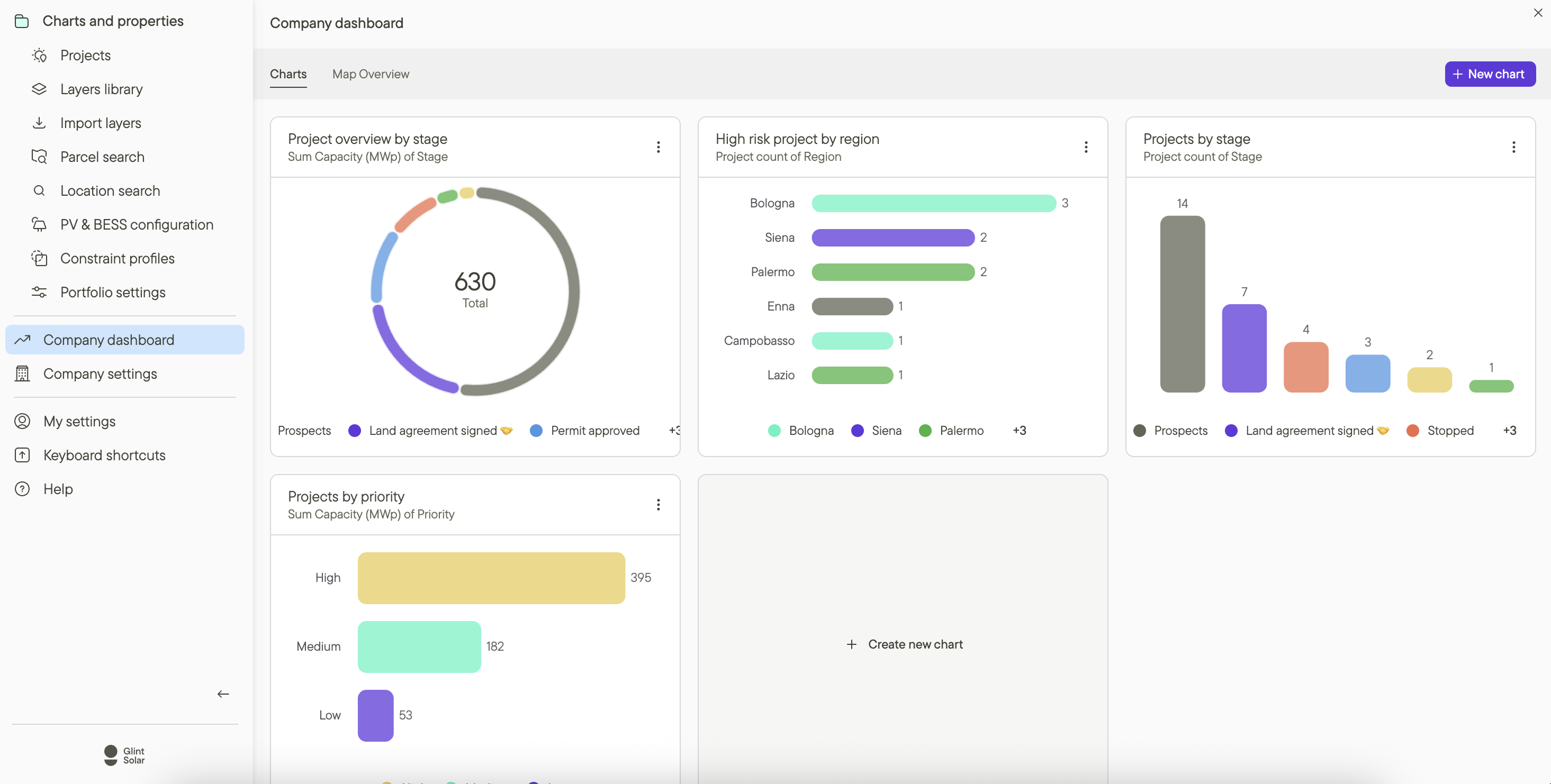
Most solar and storage teams manage their pipeline across Excel, GIS tools, emails, and static reports. That makes it hard to understand what’s actually moving, where projects are getting stuck, and how much real capacity sits in your portfolio. Register for the webinar to learn how Charts fixes that!


As renewable portfolios scale, one problem shows up fast: project data starts living everywhere. To fix this, we're excited to announce Project API!
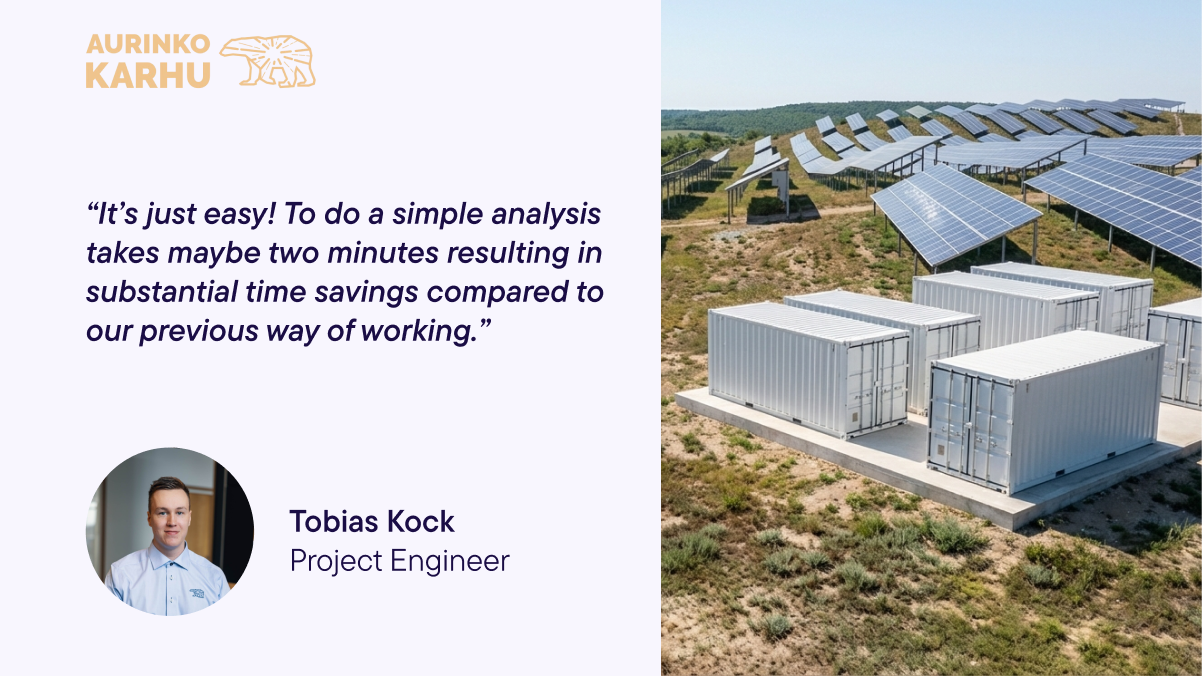
For Aurinkokarhu, a developer specializing in solar and battery storage, the ability to pivot from pure-play solar to Battery Energy Storage Systems (BESS) and hybrid projects has been the key to maintaining a robust project pipeline.
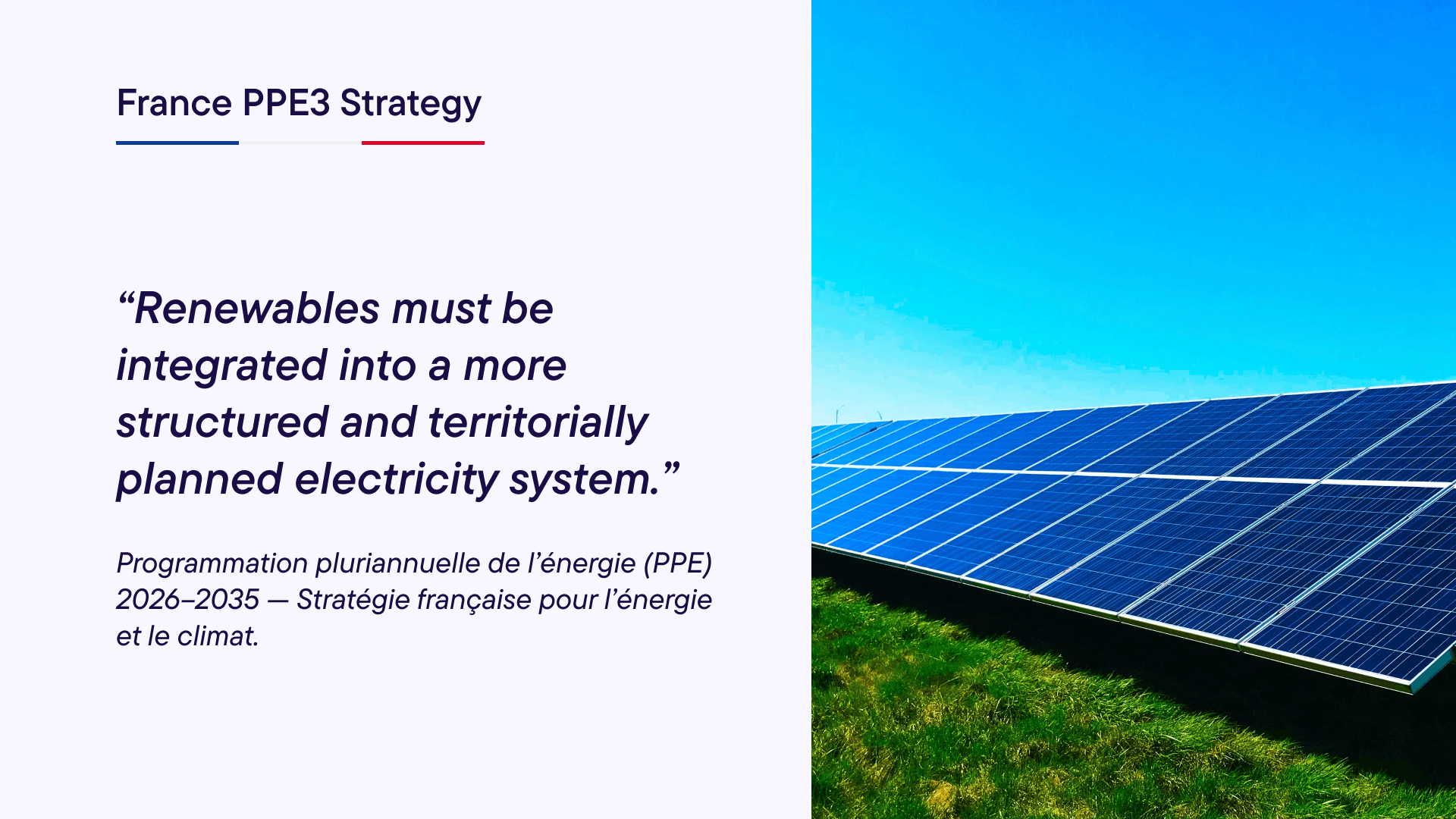
France’s updated energy roadmap, the Programmation pluriannuelle de l’énergie (PPE3), sets a clearer direction for how the country plans to balance electrification, energy sovereignty, and decarbonisation through 2035.

Charts is designed to help renewable energy developers visualize their pipeline, track project progress, and report with confidence, without relying on disconnected spreadsheets, folders, and manual reporting processes.
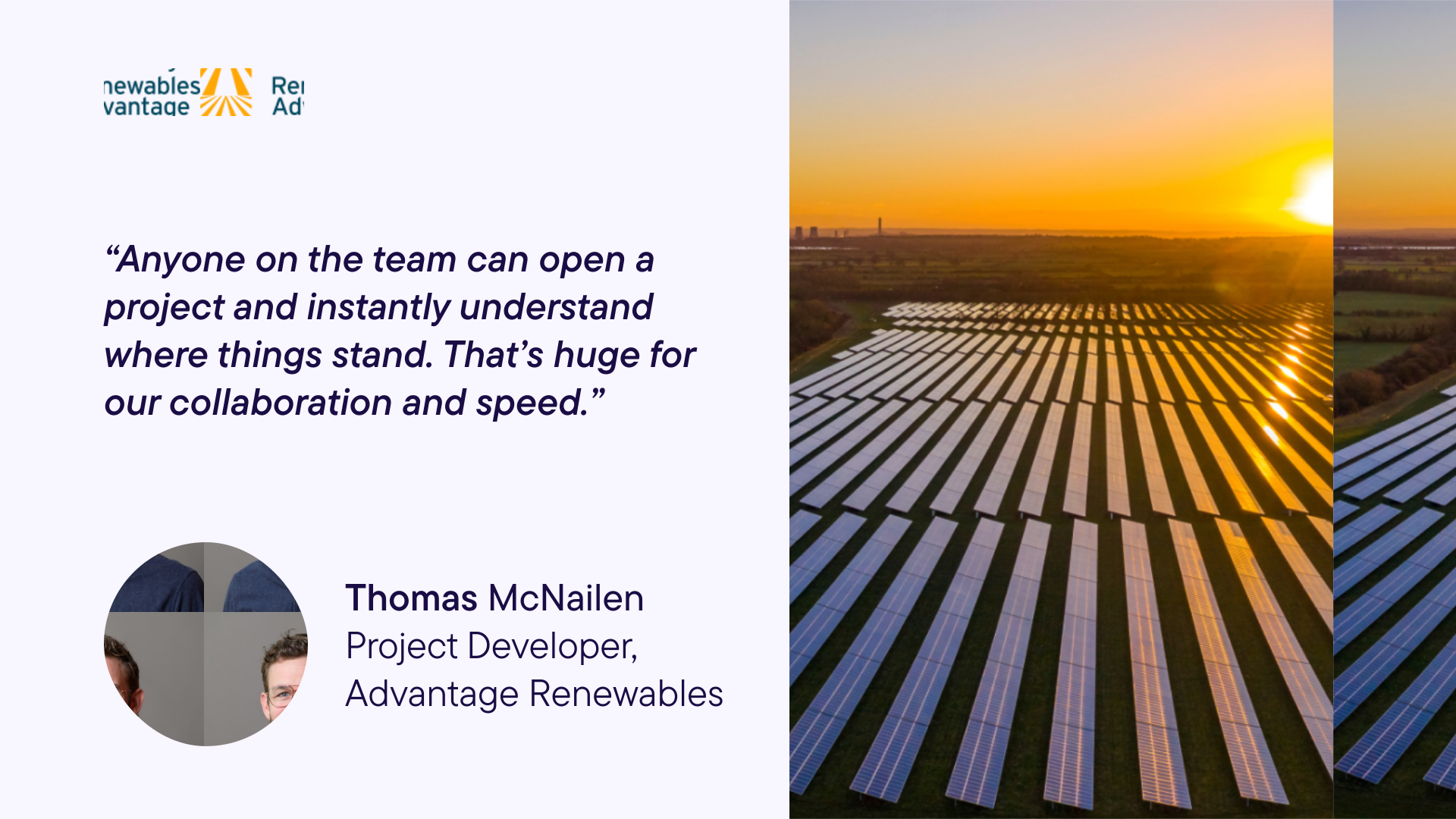
Advantage Renewables is a U.S.-based developer of utility-scale solar and battery storage projects with a mission to deliver clean, American-made energy through high-quality, responsibly sited projects,

Here’s a hard truth: The most expensive mistakes in solar development aren’t made during construction - they happen years before the first panel is installed.For solar developers, the stakes couldn’t be higher. With skyrocketing land costs, grid complexities, long project timelines, and increasing competition, every decision counts.

At Glint Solar, we believe accuracy shouldn’t be reserved for the final stages of a solar project. It should guide decisions from the moment you start looking at a site. That’s why we’re announcing a new integration: Glint Solar now supports SolarAnywhere as an irradiance and weather data source.
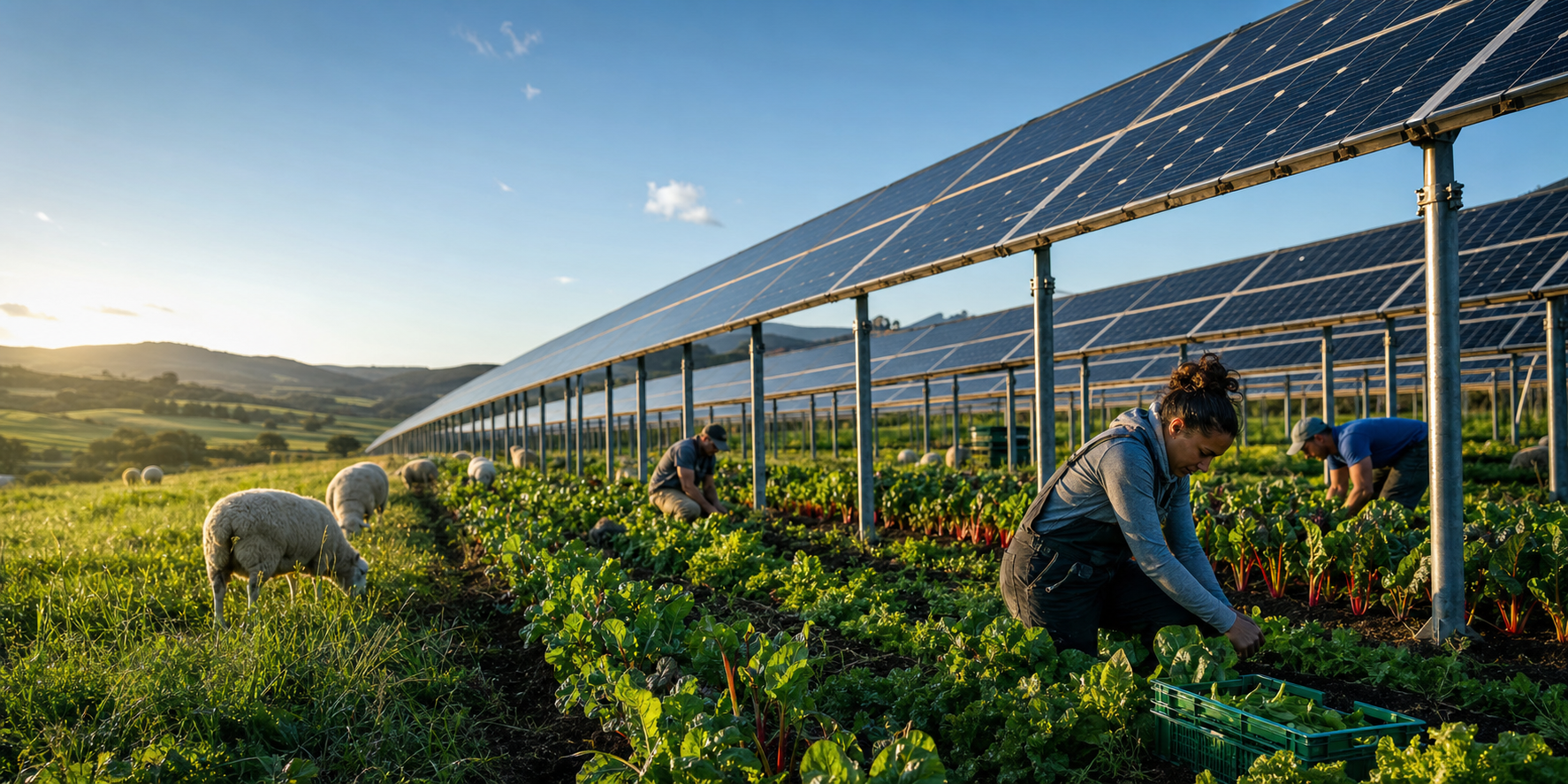
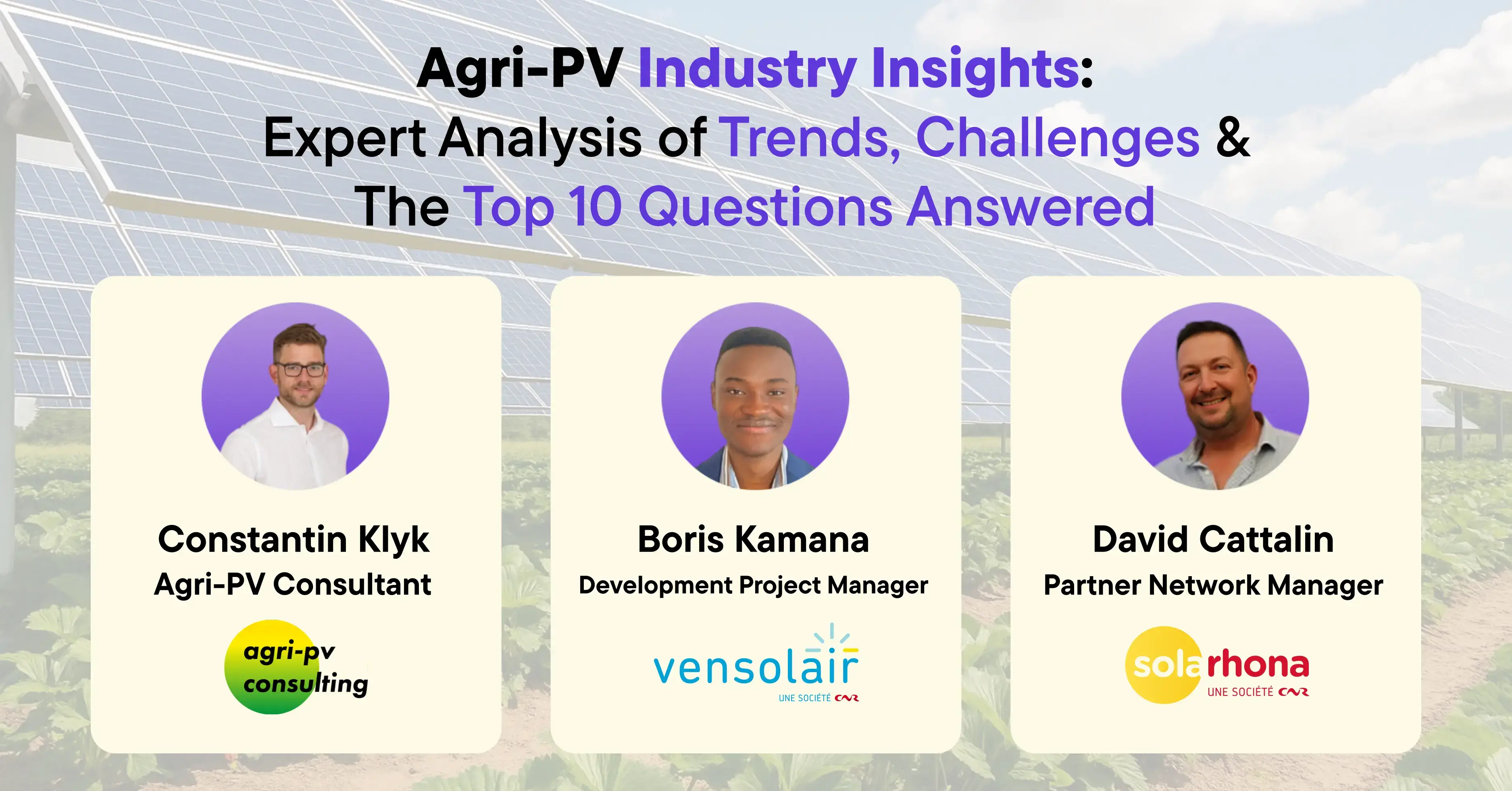
Agri-PV, also known as agrivoltaics or dual-use solar, is becoming one of the most promising innovations in utility-scale solar development. By combining solar energy production with ongoing agricultural use on the same land, Agri-PV provides a compelling solution to one of the industry’s biggest constraints: access to land.
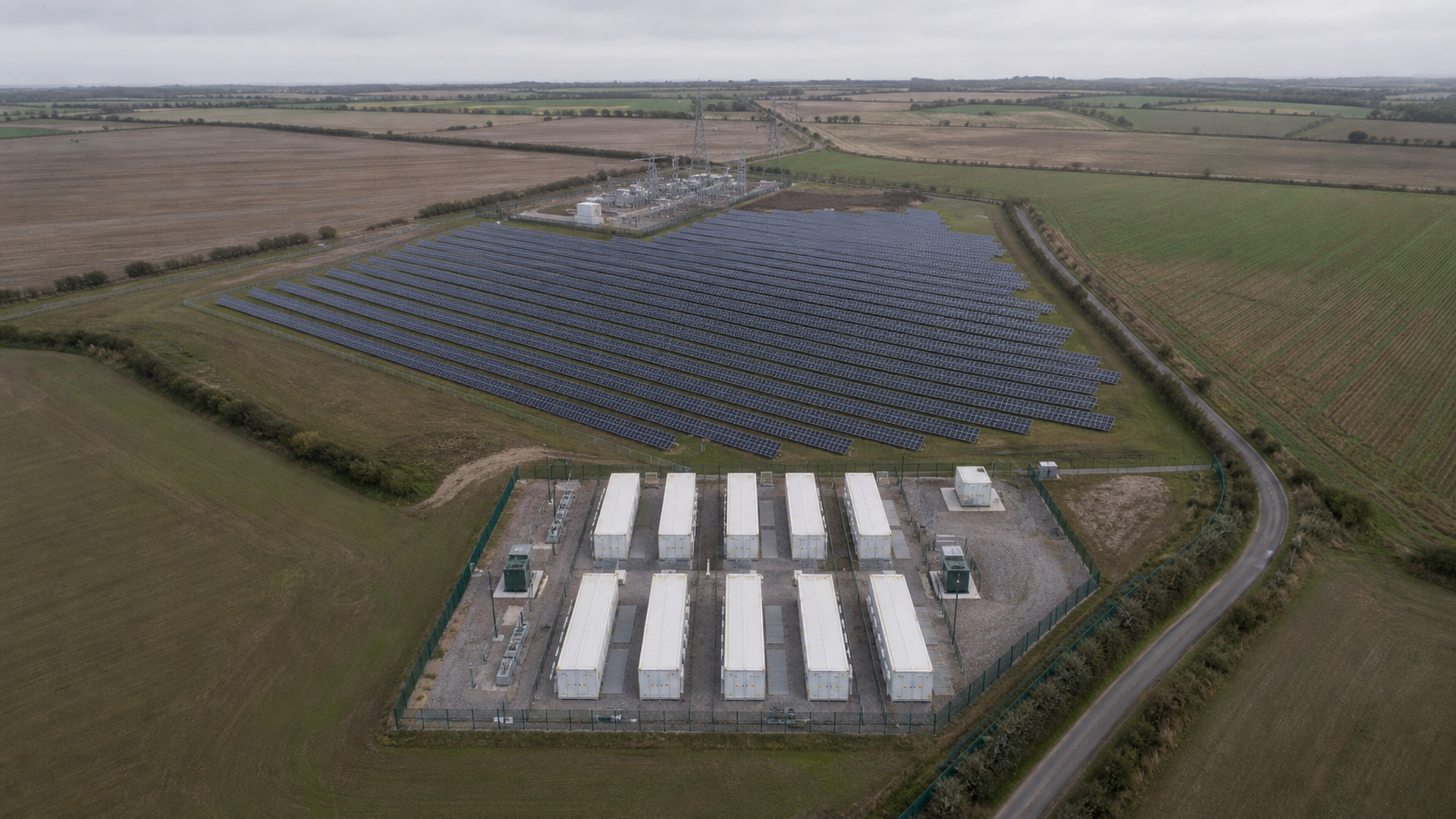
Battery Energy Storage Systems (BESS) are fast becoming one of the most critical enablers in utility-scale energy development. Whether deployed alongside solar or as standalone infrastructure, BESS helps developers unlock project viability in areas facing curtailment, congestion, or limited grid headroom.
DVP Solar, a pioneering force in the development of large-scale photovoltaic solar projects, has always been driven by a commitment to innovation and efficiency. With over 3 GW of projects under development across Europe and Latin America, DVP Solar embraced Glint Solar’s platform to supercharge its project qualification process.
%20(1).png)
Are you a solar developer striving for precision and efficiency from the beginning of your development process? Look no further than Glint Solar—a powerful tool used by teams that want the best possible starting point for their projects, minimizing risks early and optimizing for accurate permit-approved projects.

Landowner conversations are a critical step in every utility-scale solar project. But when it comes to Agri-PV, where solar infrastructure and agriculture must co-exist on the same land, those conversations get more complex, and more consequential.

The Finnish government has set a bold goal to achieve carbon neutrality by 2035 and to become carbon-negative thereafter. As a result, the race is on to identify the best solar sites and develop them as efficiently as possible. So what should solar developers know about the Finnish grid system?

As utility-scale solar continues to accelerate, the definition of “large” has shifted dramatically. Today’s biggest solar parks operate at multi-gigawatt scale, with some exceeding 10 GW of installed capacity.

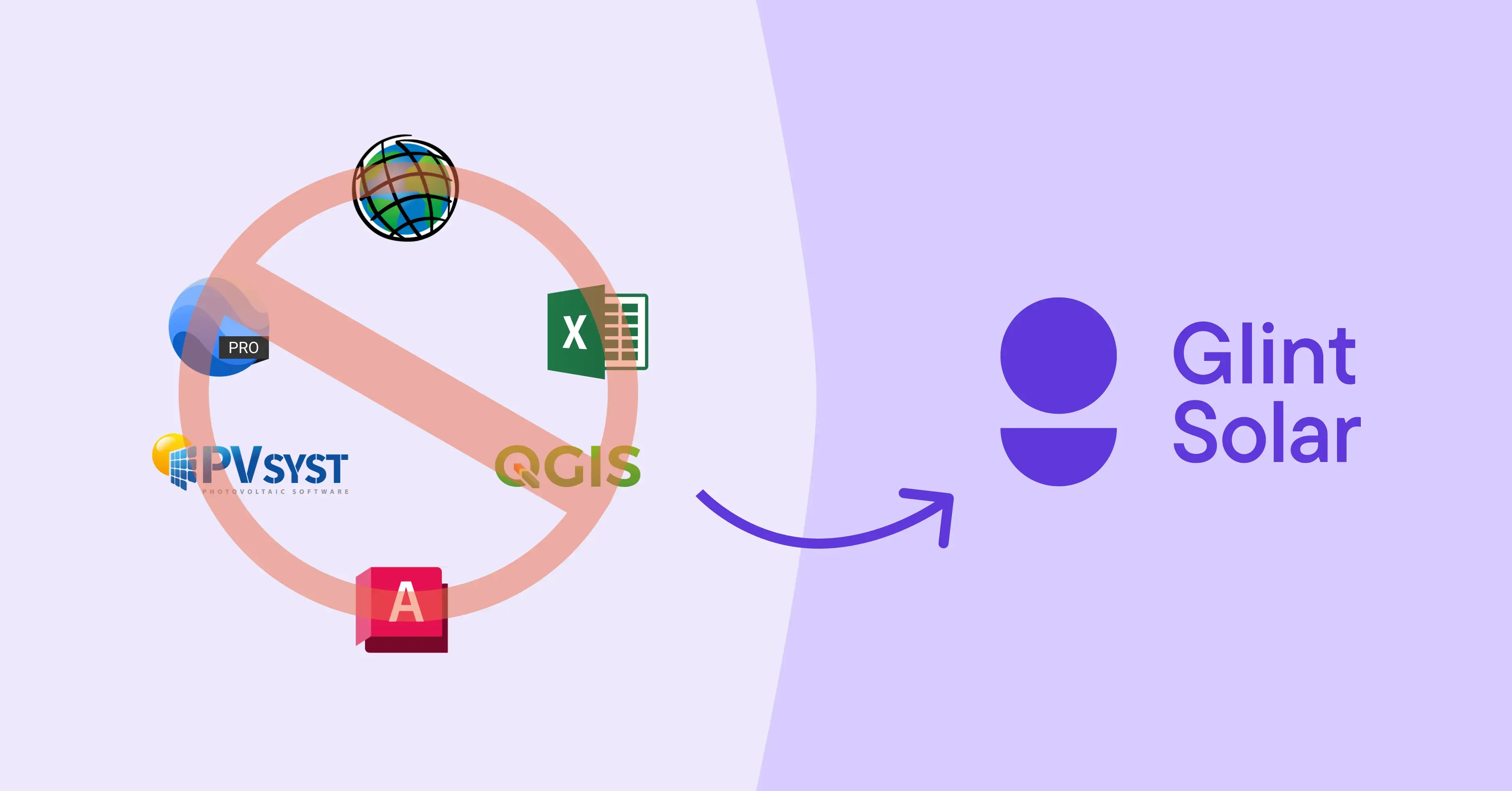
Picture this: you’re a solar developer knee-deep in the pre-permit grind. You’re scouring maps for sites close to a substation, wrestling with slope and environmental data to avoid a design disaster, and trying to whip up visuals that won’t make landowners’ eyes doubt over your plan.

The power grid plays a crucial role as the world shifts towards renewable energy, but what are the obstacles in this transition?

The market has fundamentally shifted. Our role has evolved from optimizing yield to providing the data and foresight developers need to ensure project bankability despite financial headwinds.

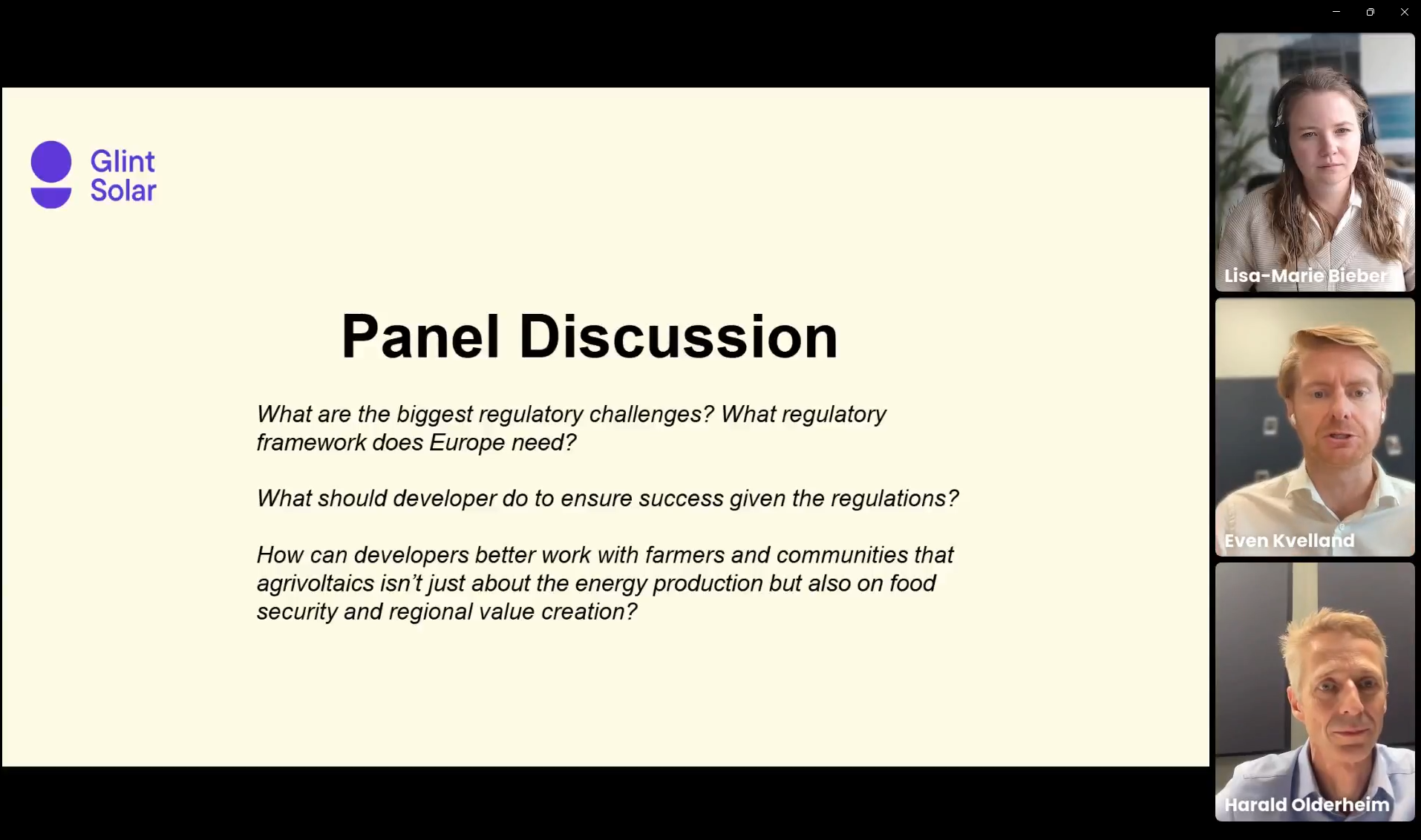
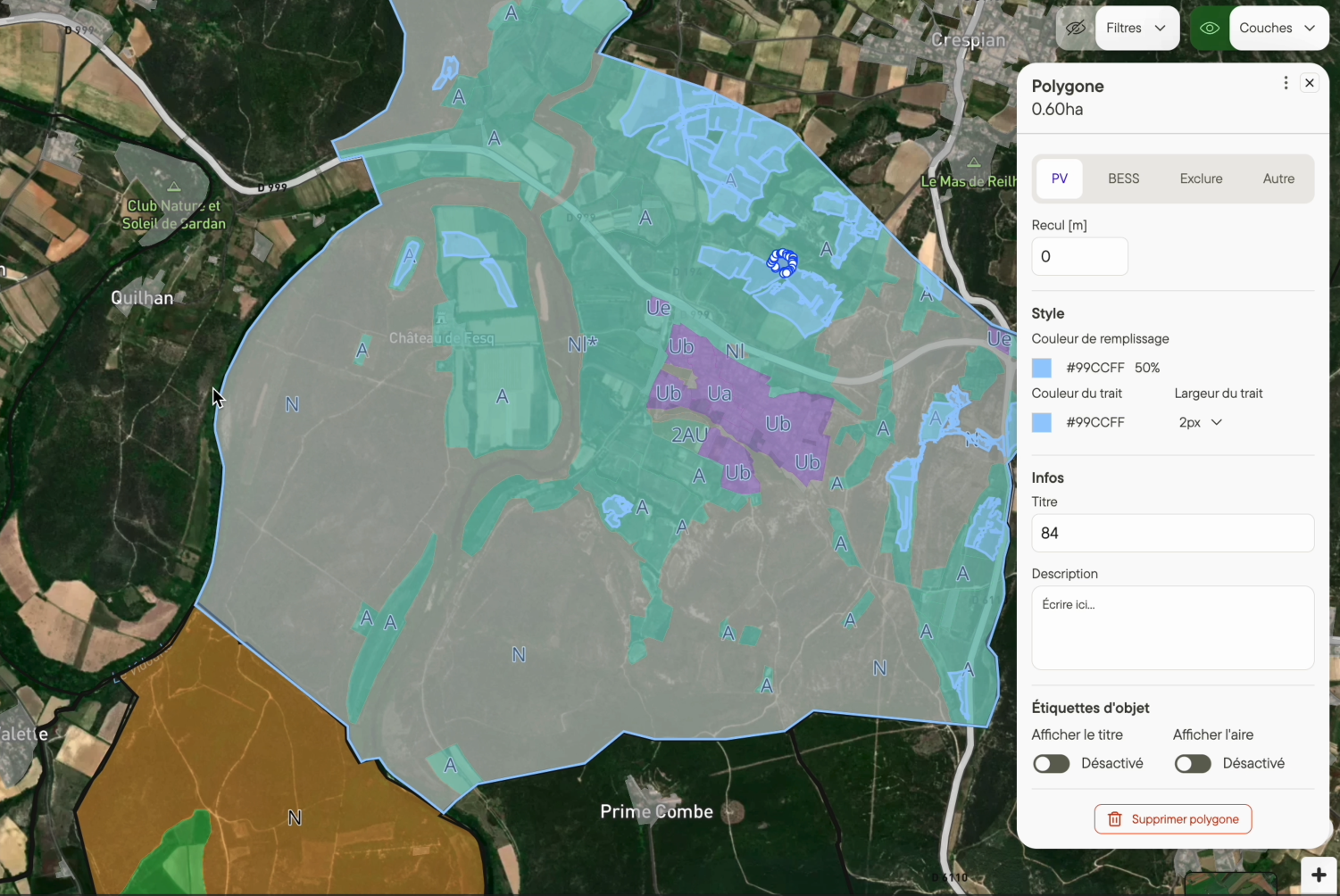
In France, developers must prove fields deliver 90% of their original crop yield while keeping solar coverage below strict limits. This webinar shines a light on how policies like these are shaping real projects and what developers need to know to succeed.

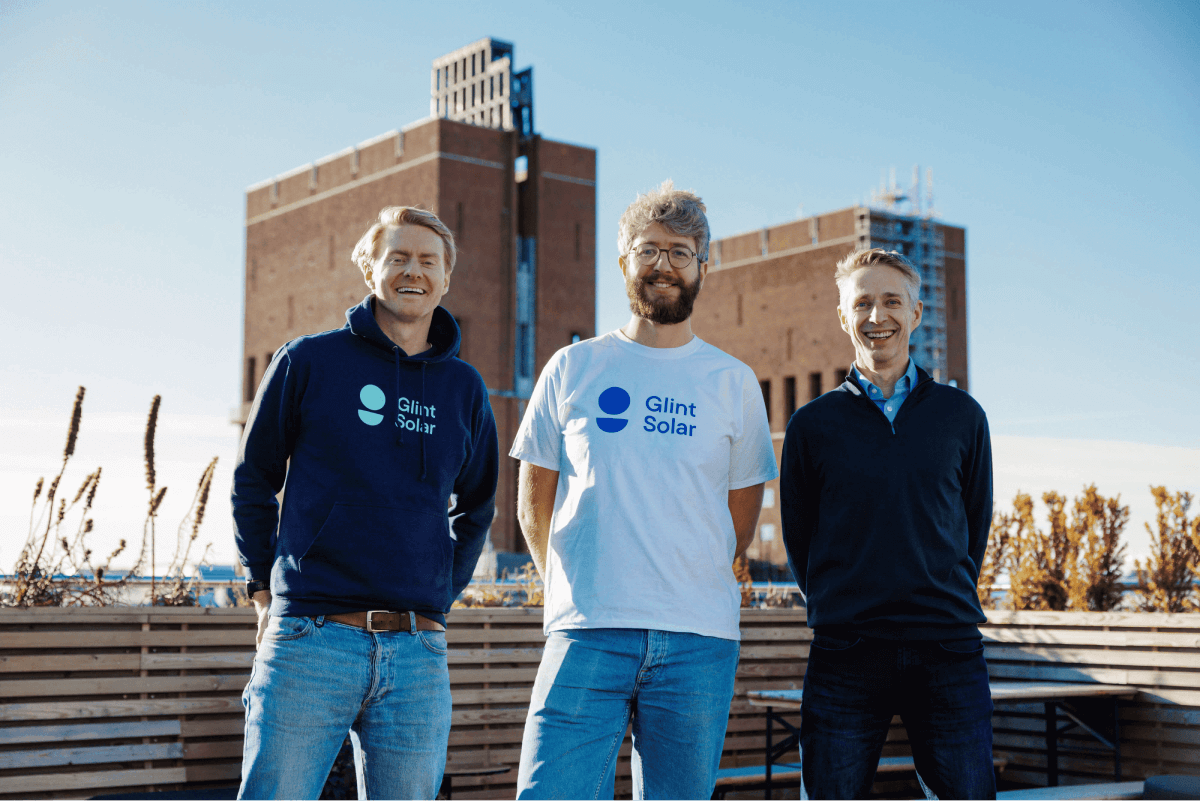
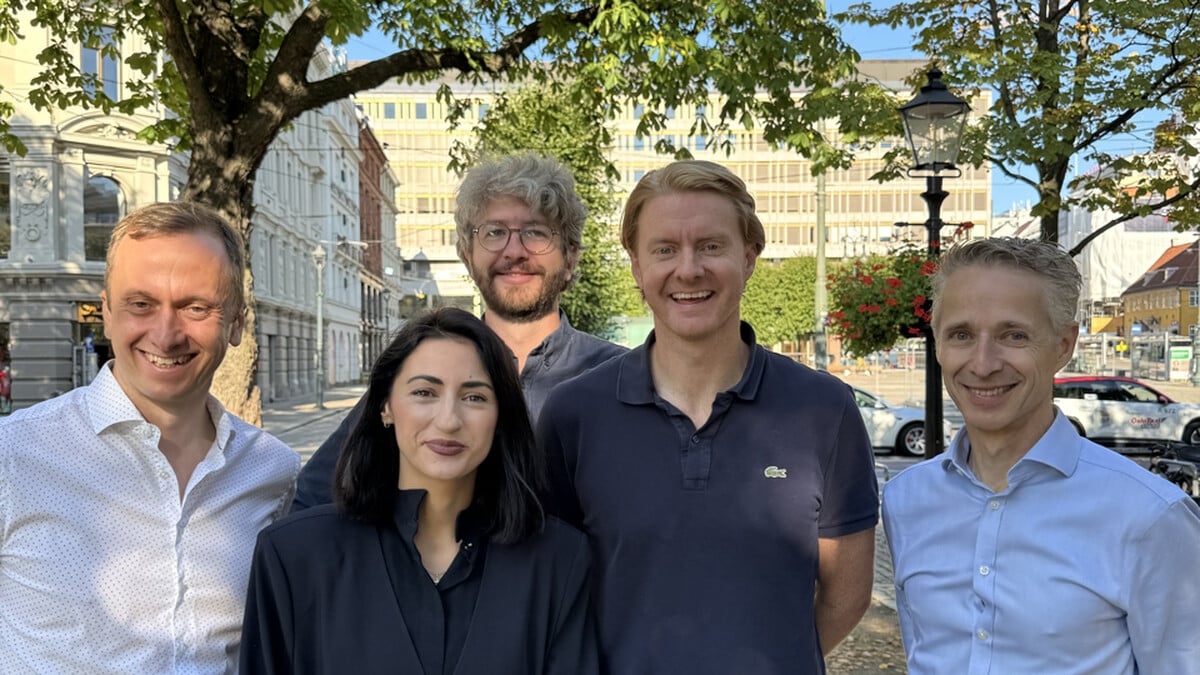
Today we're thrilled to announce an $8 million Series A funding round led by Smedvig Ventures with participation from Momentum, Futurum Ventures, and Antler!

As global energy demands rise and governments push for renewable energy solutions, Agri-PV has gained traction as a viable approach to balancing food production with solar energy generation.

Discover the Nordic grid system's intricacies and seize solar prospects across Norway, Sweden, Denmark, and Finland in this comprehensive guide.

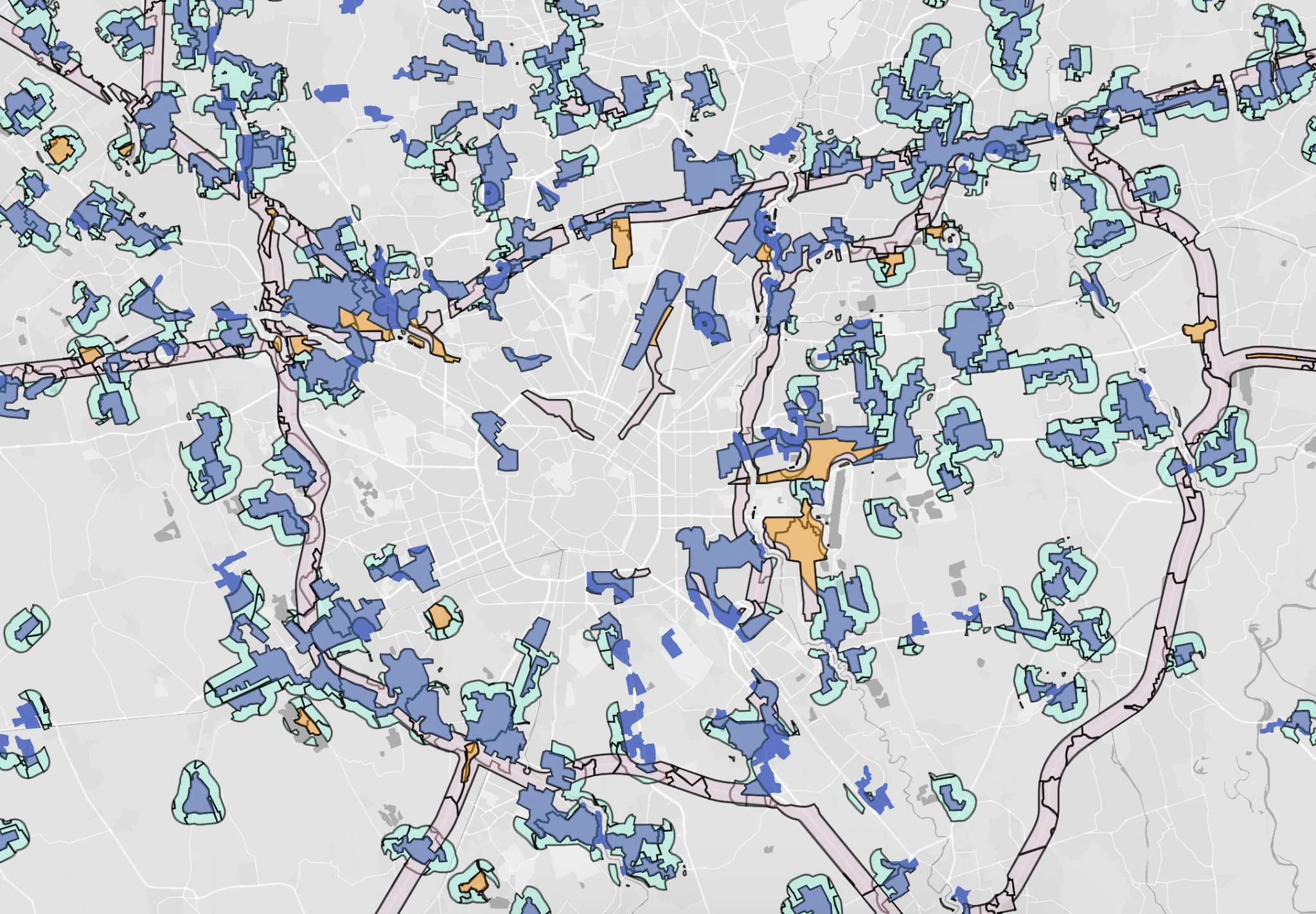
Every solar or storage project starts with the same basic question: “Can we build here?”

A shift to grid-first prospecting is helping developers move faster, avoid dead ends, and align internal teams around buildable sites from day one.

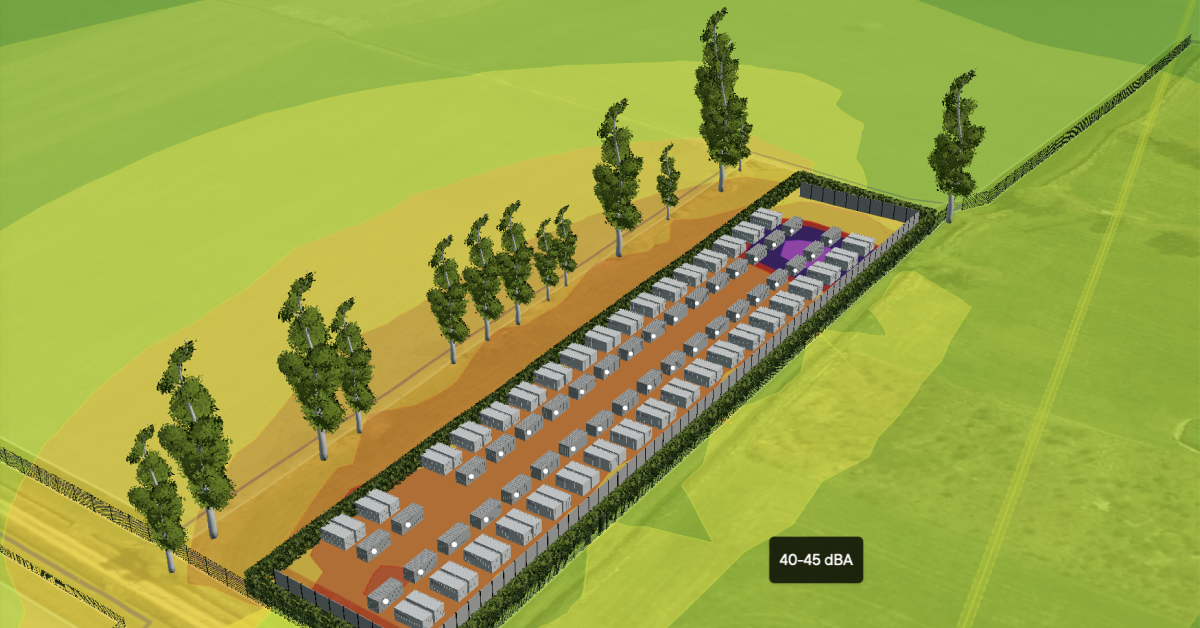
At Glint Solar, we know that the road from concept to construction is rarely linear. One of the most underestimated and frequently project-stalling challenges? Noise concerns.

Battery energy storage is reshaping how utility-scale projects are planned, screened, and built. As interconnection queues grow longer and solar-only designs face economic headwinds, BESS is becoming a key lever for improving grid access, stabilizing returns, and meeting permitting expectations.

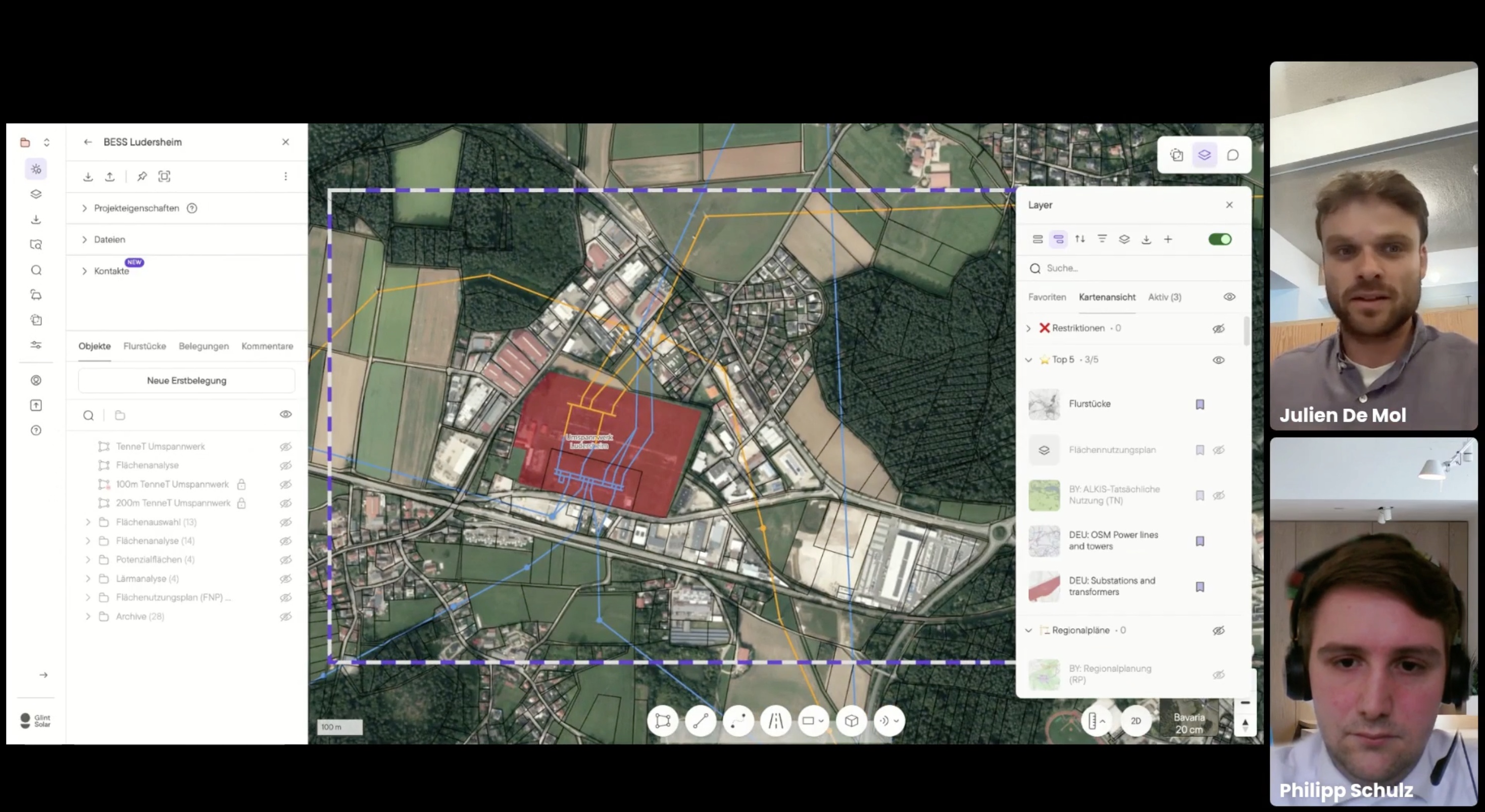
This article breaks down how developers are accelerating early-stage BESS design using smarter workflows and integrated tools.
1x per month. No spam, pure sunshine.